
NEWS
August 6th, 2026
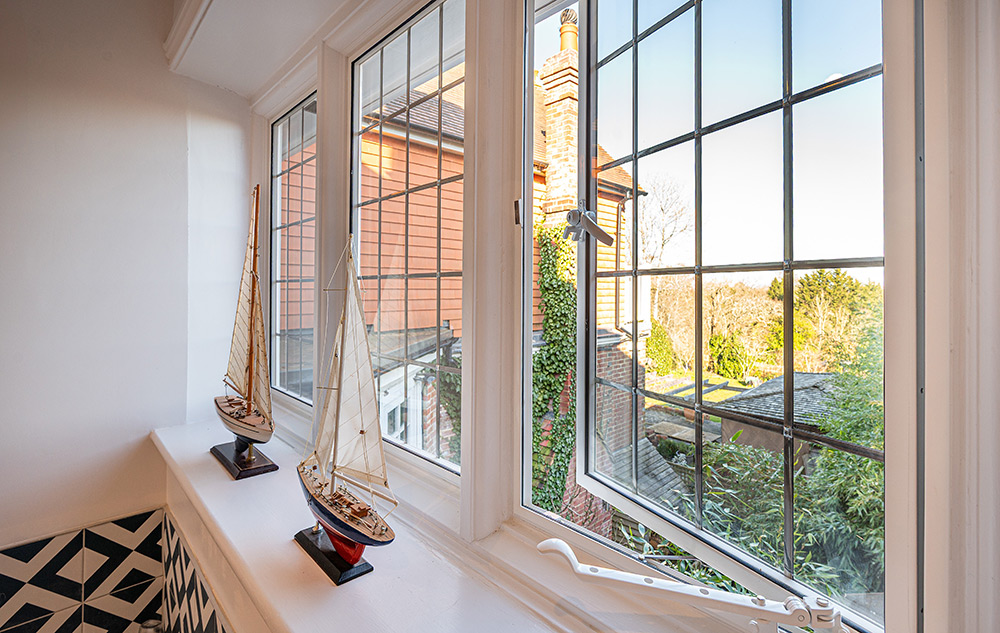
New, double glazed steel windows – opening your windows regularly is one of the best ways to improve ventilation in your home.
We are aware that many potential purchasers of new steel windows are interested to know the facts about condensation.
The truth is, new steel windows do not cause condensation on their own. Condensation is actually a sign of high humidity within a home, and unfortunately windows and doors are usually the cold surfaces where moisture forms most easily. In addition, Building Regulations require windows and doors to be air-tight so any condensation within a room is trapped and cannot escape. It is true to say that old drafty windows quite naturally ventilate a room!
So, what can be done to prevent condensation? The answer is relatively simple — ventilation.
Read on for more information.
Condensation on windows occurs when warm, moist air comes into contact with cold glass, causing the moisture in the air to turn into water droplets. This is usually a sign of high indoor humidity, poor ventilation, or a significant difference in indoor and outdoor temperature. If left untreated condensation can lead to mould growth, dampness, and damage to the surrounding area.
Condensation can be common after building or renovation work has been completed. This is because materials such as new plaster and concrete floors contain high levels of moisture which need to be allowed to dry out. Similarly, when making your home more thermally efficient, ventilation is often reduced, which in itself can increase condensation levels.
Condensation could form on the inside of your windows. This usually means the warm air inside your home contains excess moisture. When this warm, humid air touches the colder glass surface, it turns into water.
Condensation on the outside of your windows means your windows are performing efficiently and are highly insulated. The outer pane remains cold because very little indoor heat is escaping through the glass.
If you notice mist or water between the panes of a double glazed unit, this usually indicates that the sealed unit has failed. Moisture has become trapped between the panes, and in most cases the glass unit will need replacing.
Open your windows
One of the simplest and most effective solutions is to improve ventilation by opening windows regularly. This allows moist air to escape and helps your home breathe naturally.
Regular maintenance
Wipe away condensation immediately to prevent mould, damp, and long-term damage.
Improve insulation
Ensuring your home is properly insulated helps prevent warm, moist air from coming into contact with cold surfaces.
Use moisture absorbers
Moisture absorbers are inexpensive and unobtrusive. Placing them on your window sills can help reduce excess humidity.
Invest in dehumidifiers
Dehumidifiers remove excess moisture from the air and can significantly reduce condensation.
The Glass and Glazing Federation (GGF) has a very helpful condensation guide available on their website which you can see here.
Older windows, particularly single glazed windows, are generally colder and therefore more likely to attract condensation than modern, energy-efficient steel windows. New steel windows are in most cases fitted with trickle vents to improve airflow and ventilation, however, it is unlikely that they will provide a permanent solution.
If you would like to discuss replacing your windows with new thermally efficient steel windows, please get in touch with us via our contact form. We look forward to hearing about your project.

superb steel windows, doors and conservation rooflights