
NEWS
October 1st, 2026
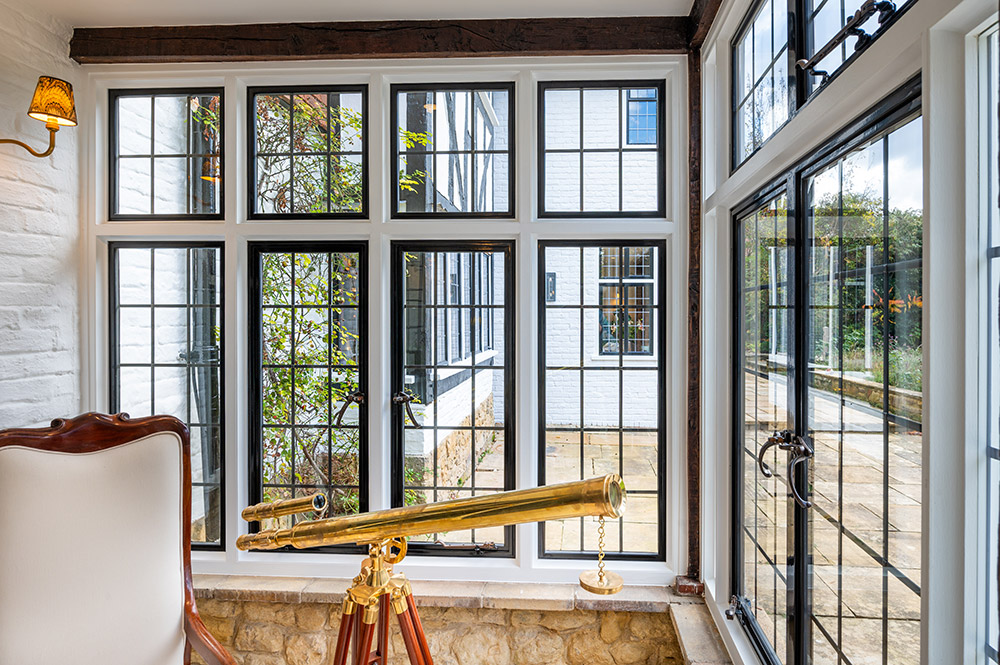
Clement EB20 leaded steel windows require little maintenance, but the more you look after them the longer they will look their best!
Steel windows and doors are valued for their strength, durability, and timeless appearance. They require very little maintenance compared to many other framing materials and are resistant to issues such as cracking, warping, and bowing. When manufactured to a high standard, with hot dip galvanisation and a durable polyester powder coated finish, steel windows and doors also offer excellent protection against rust and corrosion.
While steel doors and windows are designed to stand the test of time, a small amount of routine care can help preserve their appearance and ensure they continue to perform at their best for years to come. Regular cleaning, basic inspections, and attention to moving parts can all contribute to extending the lifespan of your windows and is a condition of your Clement warranty.
In this guide, we share some simple and effective maintenance tips to help you keep your steel windows in excellent condition and maximise the value of your investment.
It may seem obvious, but regular cleaning is one of the most important steps you can take to maintain the appearance and performance of your steel windows and doors. Dirt, dust, and environmental pollutants can build up over time, particularly in urban, coastal, or industrial locations, making routine cleaning essential.
The frequency of cleaning will depend on factors such as your geographical location, local air quality, exposure to prevailing weather conditions, and the level of protection provided by surrounding buildings. It’s also important to remember that some parts of your windows require different cleaning methods.
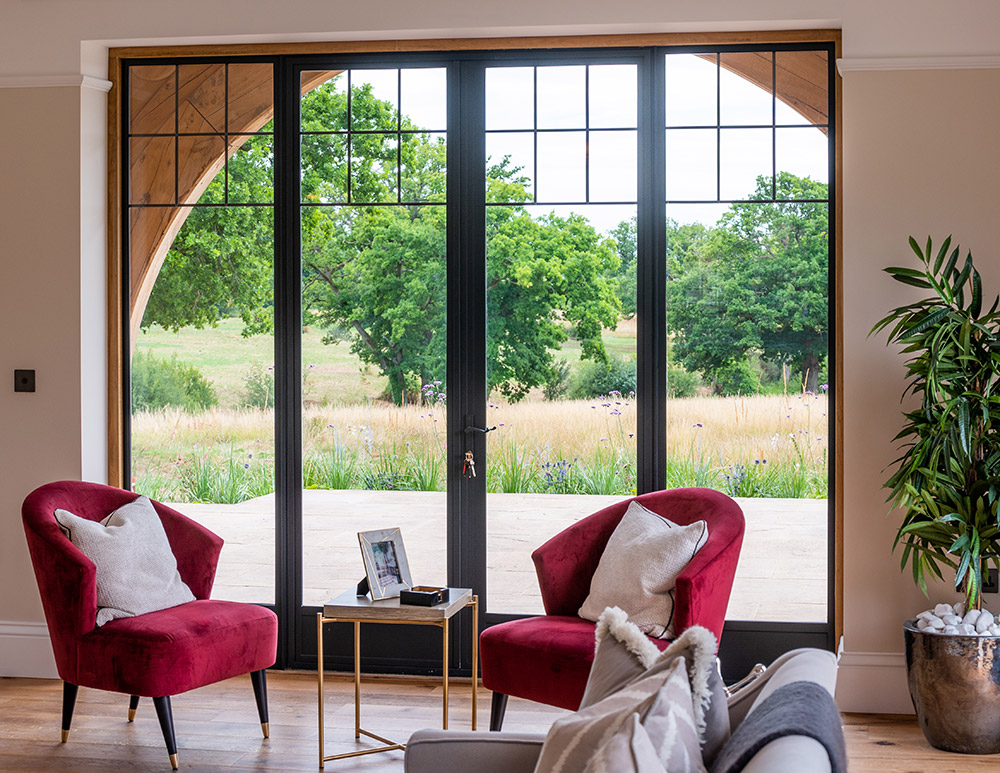
Cleaning polyester powder frames is relatively straightforward, all you need is a little bit of mild detergent!
To clean the glass, use a small amount of mild detergent mixed with warm water (approximately a thimbleful of detergent to five litres of water). Gently wipe away any dirt or marks, then rinse thoroughly with clean water and dry with a soft cloth. Avoid using abrasive pads, scourers, or harsh cleaning products, as these can scratch or damage the glass surface.
Hot dip galvanised steel windows and doors with a polyester powder coated finish can usually be cleaned using the same mild detergent and warm water solution. For more stubborn dirt, a commercially available cleaning product may be used. However, avoid anything stronger than a mildly diluted white spirit, and never use abrasive cleaners or materials that could damage the protective coating. If in doubt always check with the Supplier/Manufacturer.
Dark bronze and dull chrome fittings can be kept in good condition with a simple wipe-down using warm soapy water. In most cases, cleaning these fittings every six months is sufficient to maintain their appearance.
Polished brass and lacquered fittings require a little more attention. To maintain their finish, apply a good quality wax polish approximately every two weeks. While lacquer coated fittings may naturally fade over time, this will not affect the functionality or performance of your windows and doors.
Regular lubrication is essential to ensure your steel windows and doors continue to operate smoothly and efficiently. Components such as handles, peg stays, hinges, and bolt locks are subject to regular use and can benefit from routine maintenance to reduce wear and tear over time.
As a general guideline, moving parts should be lubricated with a light oil at least every six months. However, if your property is exposed to harsher environmental conditions, such as coastal air, high levels of pollution, or frequent adverse weather, more frequent maintenance may be required.
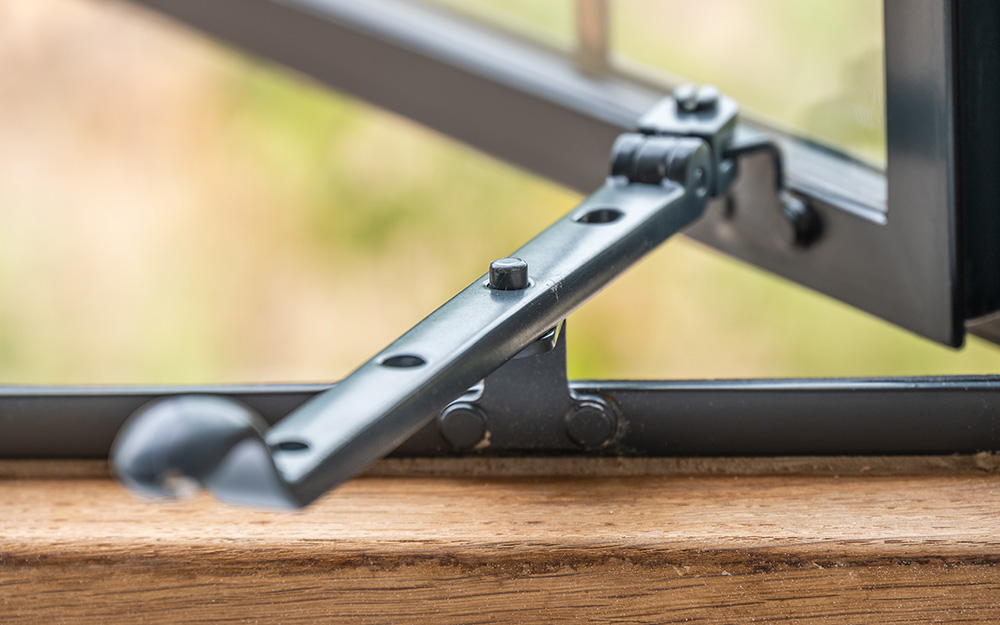
Remember to always secure your peg stay on its stay pin.
Peg stays play an important role in allowing a window to remain open at a predetermined distance. Whenever a window is open, the peg stay should be securely positioned on the stay pin. This helps prevent unnecessary movement of the casement and reduces the risk of accidental damage to the glass and window.
Over time, the movement of window and door hinges can cause the paint finish on their surface to wear, flake, or peel. This is a natural result of regular use and is not typically a cause for concern. Similar to traditional painted finishes, the polyester powder coating may show signs of ageing in these high-friction areas without affecting the overall performance of the window or door.
To help extend the life of your hinges and ensure smooth operation, keep them well lubricated as part of your regular maintenance routine.
Proper drainage and ventilation are essential for the long-term performance of your steel windows and doors. Over time, leaves, dirt, dust, and other debris can accumulate in drainage holes and slots, preventing water from draining away effectively.
We recommend checking these areas regularly, particularly during periods of heavy rain, storms, or adverse weather conditions. Keeping drainage channels clear helps prevent water build-up and ensures your windows and doors continue to function as intended.
Ventilation openings are designed to allow air to circulate and moisture to escape. These areas should never be covered, sealed, or obstructed. Blocking ventilation can lead to condensation, mould growth, and potential damage to the window or door frame. In some cases, issues arising from blocked ventilation may not be covered under your warranty.
By carrying out simple routine checks, you can help protect both your windows and doors and the surrounding building fabric from unnecessary moisture-related problems.
Sealants play an important role in protecting your windows and doors from water ingress and maintaining a weather-tight seal. If your steel windows or doors are installed using tape or silicone sealants, it is worth inspecting them periodically for signs of deterioration.
Look for any splits or cracks forming between the sealant and the glass or frame. These can develop over time due to natural movement and weather exposure and may indicate that the sealant needs replacing. Where replacement is required, always use the same type of sealant originally specified for the installation.
Silicone and mastic sealants may gradually discolour as they age. This is a normal occurrence and does not affect the performance or weather resistance of your windows and doors.
Sealants should never be painted. Applying paint can affect their flexibility and performance, potentially compromising the effectiveness of the seal and reducing its lifespan.
Condensation is a common issue in many homes and buildings, particularly where ventilation is limited or indoor humidity levels are high. While some condensation is unavoidable, taking preventative measures can help minimise its impact and protect your steel windows, doors and surrounding finishes.
If condensation regularly forms on your windows or doors, it is important to wipe away excess moisture as soon as possible. Maintaining good airflow throughout your property and ensuring rooms are adequately heated can also help reduce the likelihood of condensation forming.
Simple measures such as opening windows, using electric extractor fans, and improving ventilation can make a significant difference in controlling indoor moisture levels.
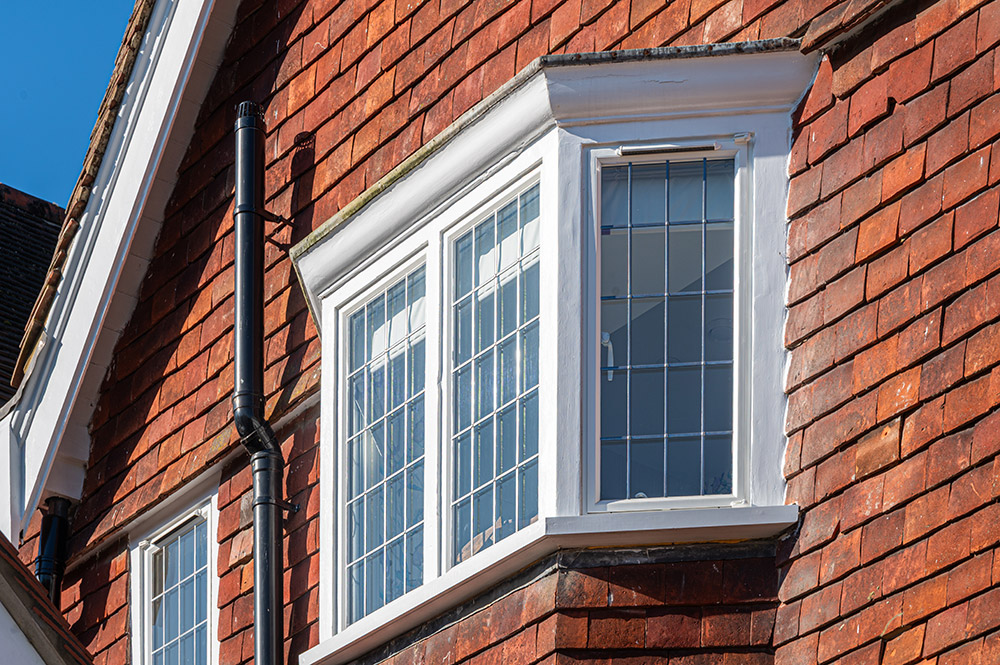
Keep your windows clean and maintain any moisture on the outside to keep them looking perfect.
In some buildings, particularly those with highly energy-efficient glazing or uneven heat distribution, condensation may occasionally form on the outside surface of the glass. This is a natural occurrence and is often a sign that the glazing is performing effectively.
Regular cleaning of the exterior glass can help prevent dirt and moisture from accumulating and keep your windows and doors looking their best.
If condensation is left untreated, it can create conditions that encourage mould growth around the silicone sealant or decorator’s caulk surrounding the glass and frame. Should mould develop, it may be possible to remove and replace the affected material. However, preventing mould through regular maintenance and moisture control is always the most effective solution.
By maintaining a consistent cleaning and inspection routine, you can help reduce the risk of condensation-related issues and ensure your steel windows and doors continue to perform well for years to come.
If you experience persistent condensation problems, specialist guidance may be beneficial to help identify the underlying causes and recommend appropriate solutions. Read our blog ‘Condensation’ for more helpful tips.
The most effective way to maximise the lifespan of your steel windows and doors is through regular inspection and maintenance. Routine checks allow you to identify and address minor issues before they develop into more significant problems, helping to preserve both the appearance and performance of your doors and windows.
For windows and doors in a typical residential setting, we recommend carrying out a thorough inspection and cleaning at least every six months. During these checks, take the opportunity to clean the frames and glass, inspect seals and fittings, clear drainage channels, and lubricate moving parts where necessary.
Maintaining a written record of all cleaning and maintenance activities is a good practice. Not only does this help you keep track of when tasks were completed, but it can also provide useful documentation should you need to make a warranty claim in the future.
With a simple, consistent maintenance routine, Clement steel windows and doors can continue to deliver exceptional performance, durability, and aesthetic appeal for many years to come.
If you have any concerns about the condition or operation of your Clement products, it is always advisable to seek guidance from our Client Services Department, you can contact them on 01428 643393.

superb steel windows, doors and conservation rooflights